
Winter Always Turns To Spring
A Buddhist lesson on seasons and hardships

Here in DC, we experienced the most beautiful spring weekend imaginable a few weeks ago. The cherry blossoms and magnolia trees were in magnificent full bloom, and the sky was sunny and clear, the temperature a perfect 75 degrees.
Walking around town with an old friend, I felt deeply grateful for the spring. After living on the West Coast for the better part of my twenties, I’ve come to miss and appreciate the seasons, particularly the inspiring beauty of the first bloom.
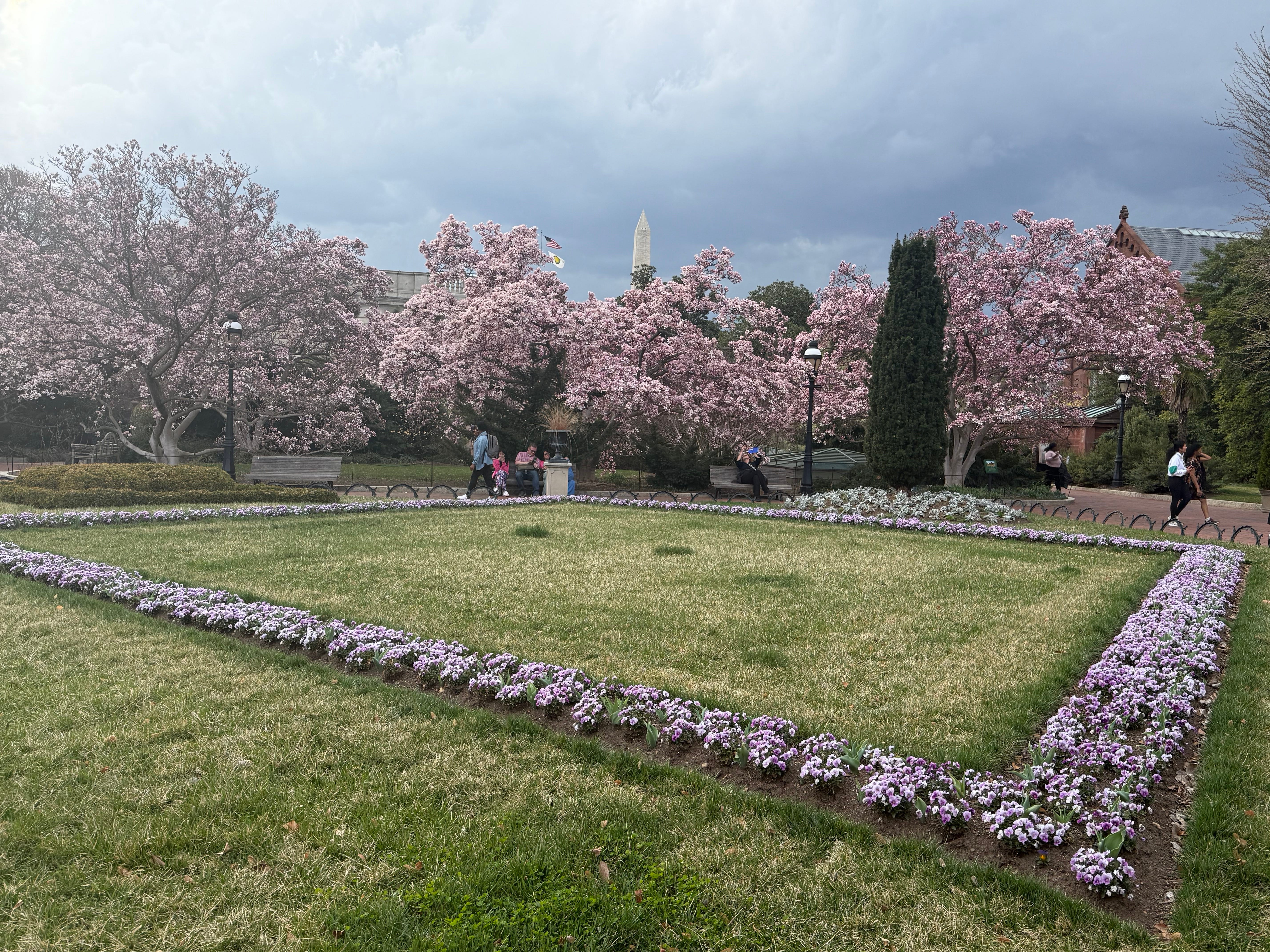
This spring thaw is especially welcome this year, as DC is coming off its coldest January in decades, with multiple days in the single digit degrees and the most snowfall I’ve experienced here. Combined with the volatile political transition and tumultuous economic situation, the flowering cherry trees were all the more restorative.
One of my favorite Buddhist teachings is “Winter always turns to spring”1. This metaphor tells us that no matter what hardships we go through - as individuals, a family, a community, or a country - the circumstances will improve over time. Even the most frigid, ruthless winter must eventually melt into the song of spring.
To go deeper, winter is necessary for spring. While the icy winds blow on the surface, underneath, the plants “conserve their life force and wait for their time to send forth fresh green shoots”2. During the cold period, perennial plants (plants that return every spring) enter a state of “dormancy”, similar to how bears hibernate. They can feel the shortening of the days and lowering temperatures, and instead of focusing on growth, they retreat into the earth and “prepare their soft tissues for freezing temperatures, dry weather, or water and nutrient shortage”3. Then, once the right amount of time has passed and the ground begins to thaw, the plants inherently understand that it is time to begin sprouting again.
But plants and bears alike do not complain about their winter rest. They understand that it is a necessary part of the cycle of nature, and accept it with dignity. In the autumn, the trees release their leaves with grace, not clinging to the memory of summer. They have the wisdom to know that when the time is right, a flush new flock of leaves and flowers will emerge, even brighter than the prior year’s.
This metaphor can apply to our lives. We all experience the seasonal highs and lows of humanity. From getting that dream job offer, to debilitating heartbreak, life has no shortage of ups and downs. I have learned that within each of those “winters” are the seeds for my next spring.
While playing tennis In the summer of 2017, I suffered an intense hamstring injury that turned out to be related to two herniated discs in my lower back. Even walking to work hurt for the first year. After two years of seeing doctors and physical therapists, my condition barely improved. I finally met a yoga teacher in 2019 who taught me some very basic sequences that helped me heal. It wasn’t until 2020 that I could play tennis again, a full three years after the injury.
I gained almost 25 pounds over this period because of my immobility (call it hibernation). The lack of activity also contributed to my general mood and energy levels, and I felt tired constantly. On top of this, I battled challenging situations at work and with my family. This three year period was the longest ‘winter’ I’ve experienced in my life.
In hindsight, this ‘winter’ was absolutely necessary for my growth. The injury forced me to take better care of my body, so I developed a daily yoga and mobility routine to ensure I can move with freedom. I’m now able to play tennis, lift weights, run, bike, and be fully active. I appreciate and respect my body, and listen to it when it tells me I’m pushing too hard. When I play, I play with joy since I vividly remember those years where I couldn’t.
I used my disenchantment with my past job to propel me into a role at the DOE in 2021, which was a dream job for many years. And while the family strife challenged me, those difficult years brought me and my family closer together.
Each individual challenge played an important role in making me who I am today. The period of ‘winter’ forced me to pause, reflect, retreat, and heal. And all of my growth since then, I can trace back to this period. Those struggles created fertile soil for new green shoots of wisdom and joy.
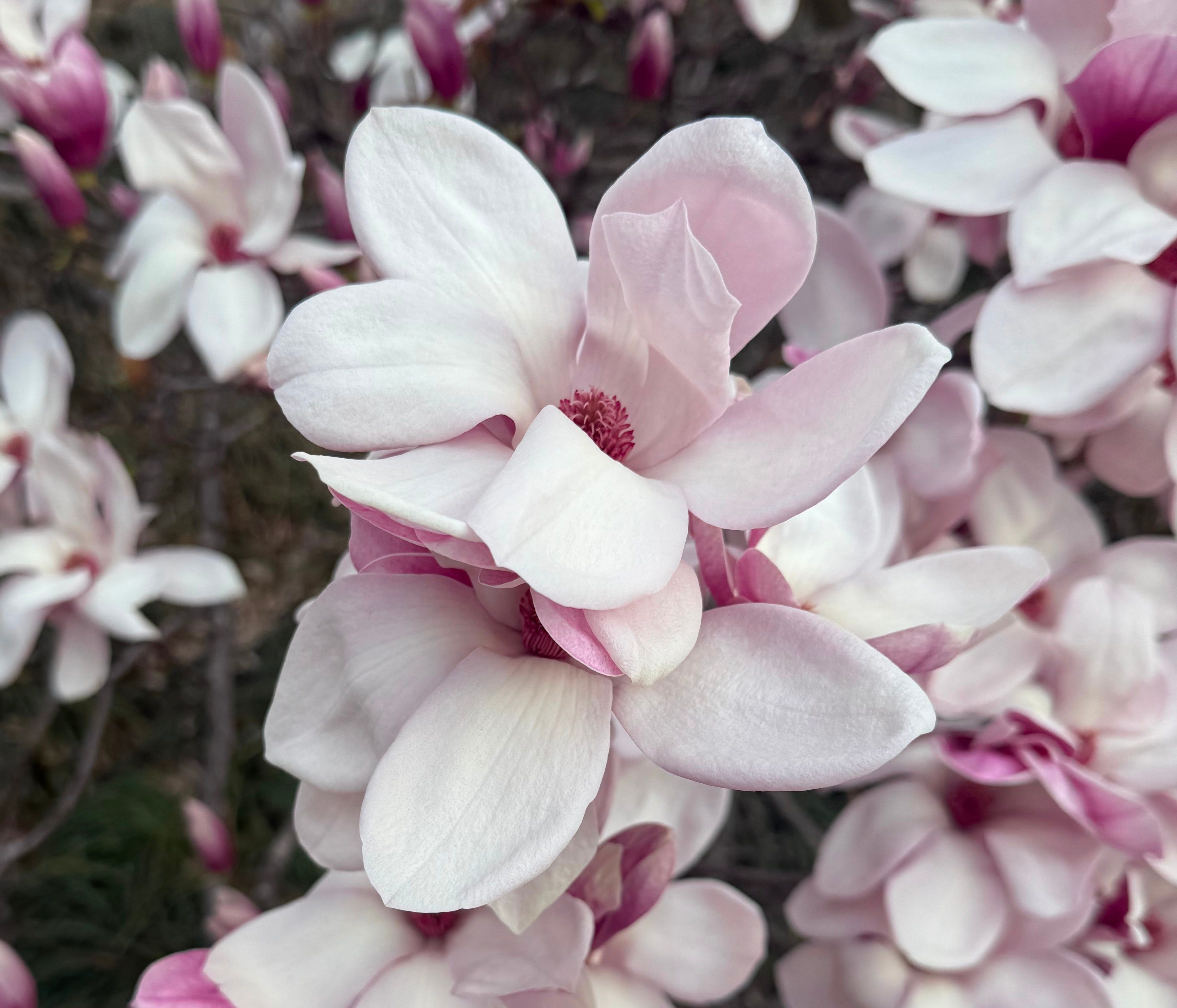
The metaphor of “Winter always turns to spring” can apply in all aspects of our life. Sometimes an injury can force us to take a break to heal our bodies. A natural disaster that seems insurmountable, like Fukushima or Hurricane Katrina, can bring a city and a nation together to rebuild smarter, better, and more resiliently. Getting fired from a job, or experiencing deep depression, while agonizing in the moment, can force us to reflect on what truly matters in our lives beyond money, titles, and status. Humans are resilient creatures, adapting and transforming ourselves and our societies based on lessons from the past.
So I encourage you to never forget that “Winter always turns to spring”. Whatever hardships you experience will create the fertile ground for the next version of yourself. When you are in the midst of winter, make sure to go within, focus on staying warm and healing yourself, conserving your precious energy. Even if it doesn’t seem like you’re growing on the outside, like the tree whose roots grow deeper, you are also going deeper into yourself in preparation for transformation.
And when the time is right and the ground is warm, you too will bloom as bright and beautiful as the magnolias and cherry blossoms.
I really enjoyed this piece! The one element I’d add is that you can’t just wait for spring; you have to put in effort to create it - much like how you sought out yoga and made a daily practice of it. That element reminds me a lot of the religious story, the parable of the drowning man. Most religions have some version of this story; even Wikipedia has a version. When I had a deep winter period in 2023 due to stress at work, my mental health, and some family hardship, it took a lot of effort on my part to figure out how to find the spring.